1 Human Leukocyte Antigens
Background
HLA is located on chromosome 6 in the Major Histocompatibility Complex (MHC).
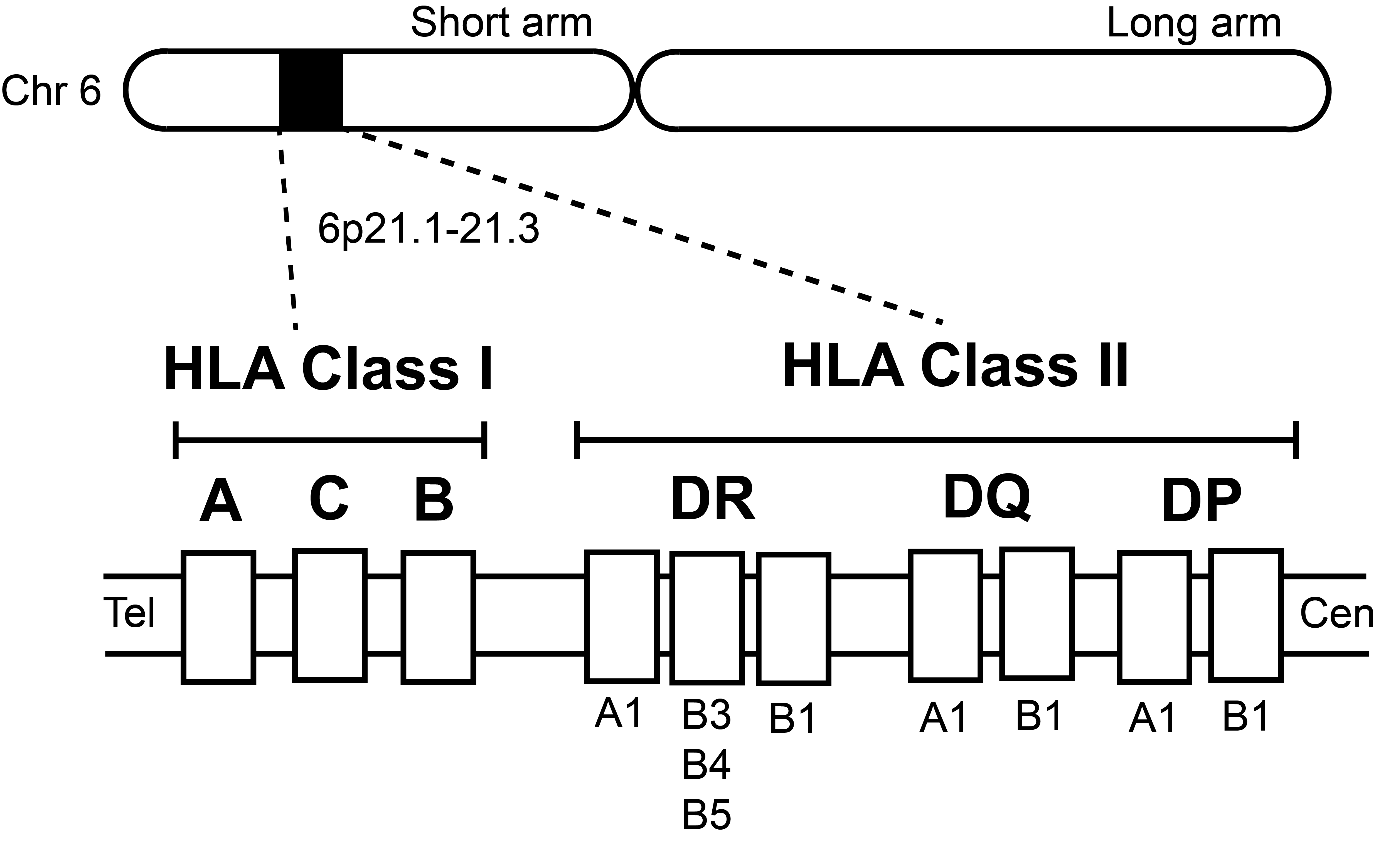
Classical HLA
HLA Class I
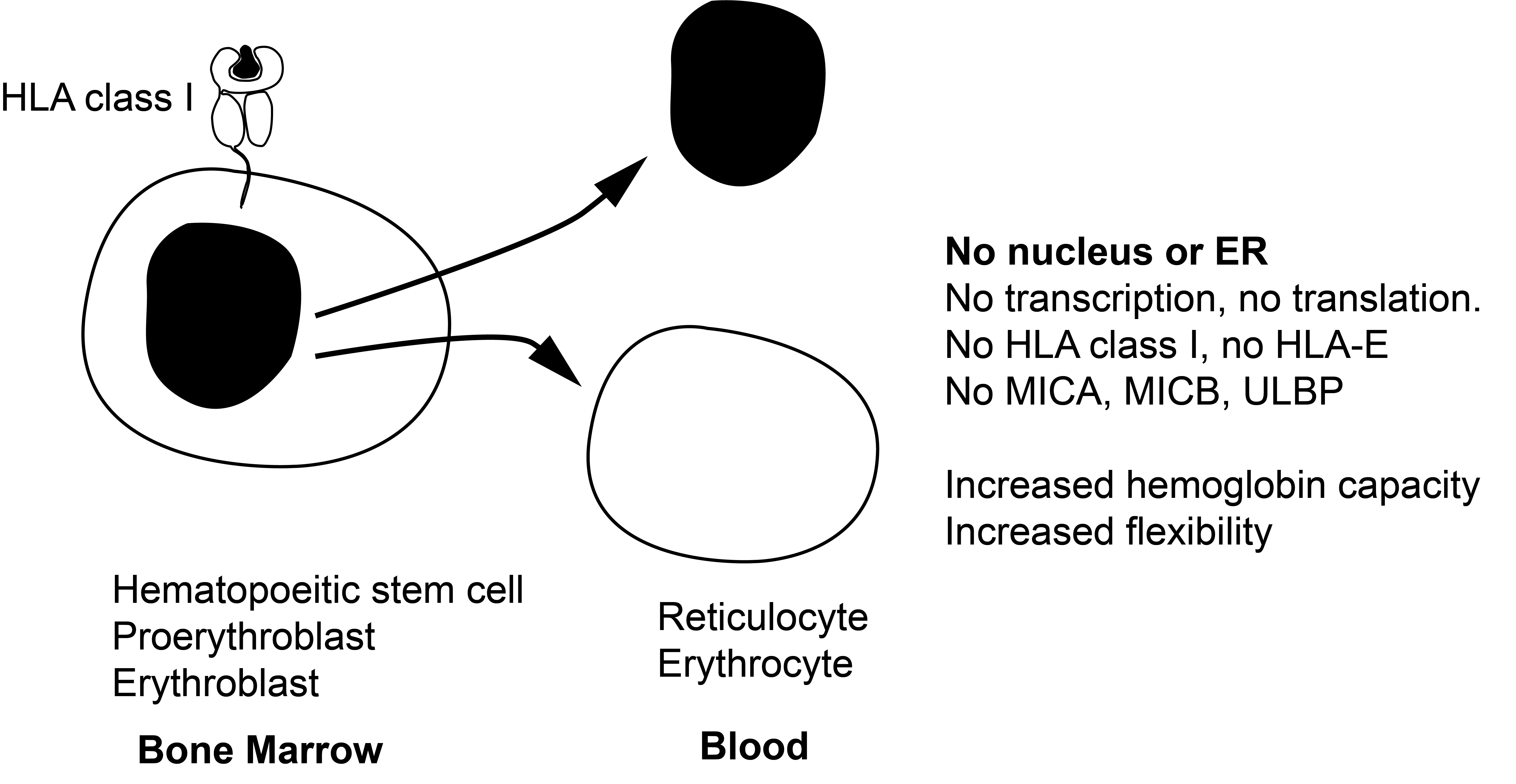
HLA class I molecules are expressed by healthy nucleated cells.
 This means that the only healthy nucleated cells that don’t express HLA class I are reticulocytes and erythroctes.
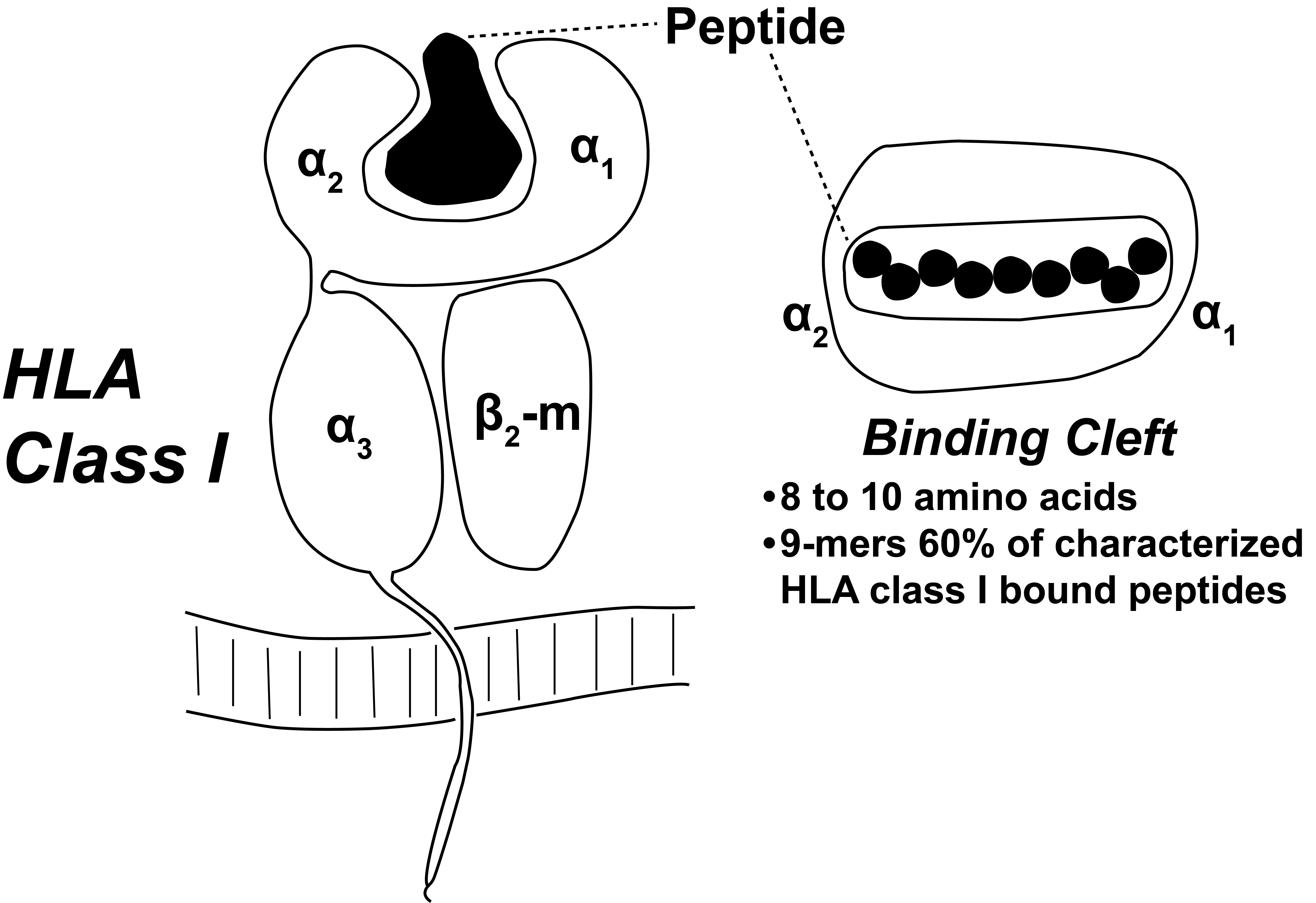
Peptide binding groove ~34 residues (amino acids)
Total amino acids residues ~340
B2 microglobulin 99 amino acid residues
HLA Class II
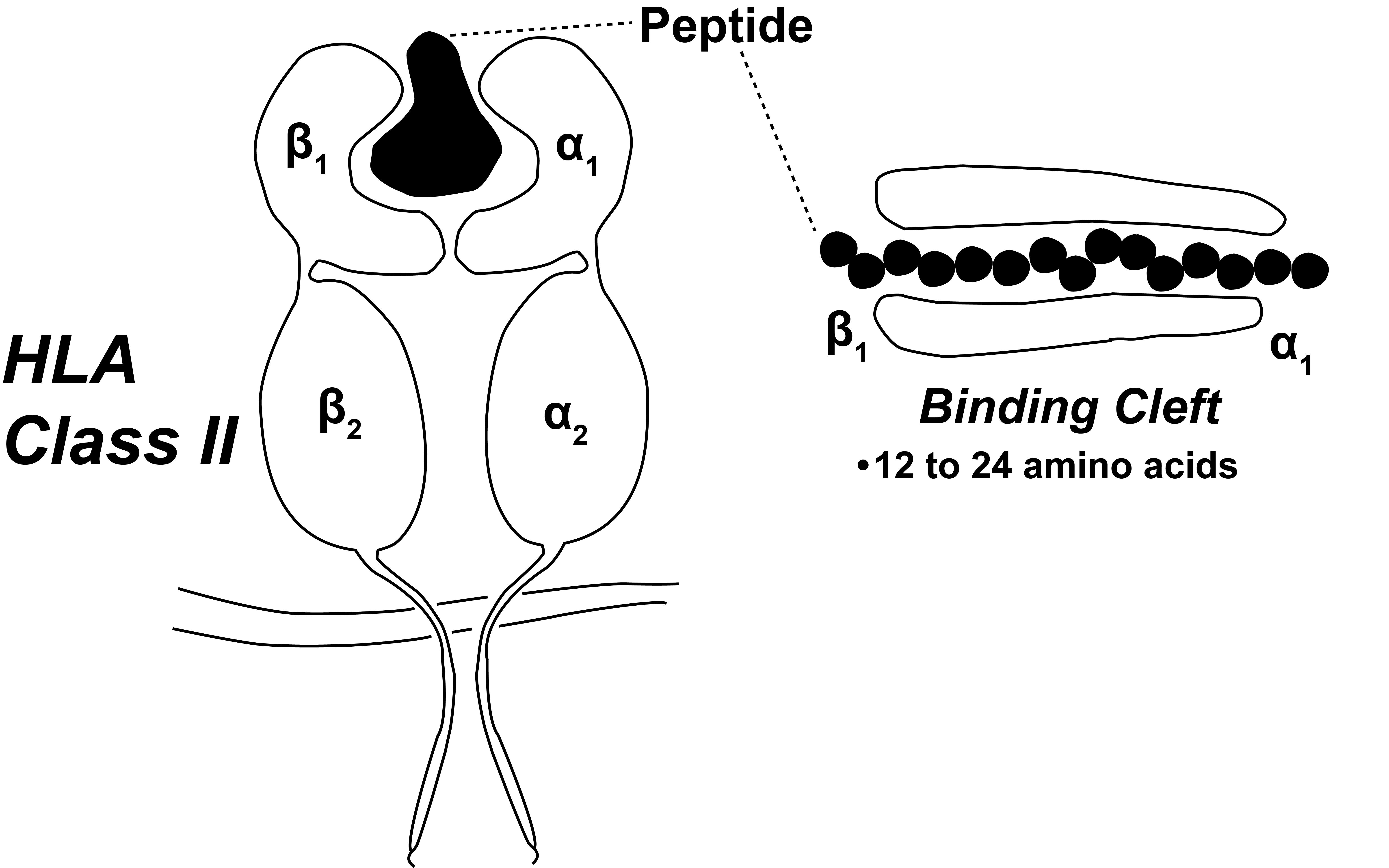
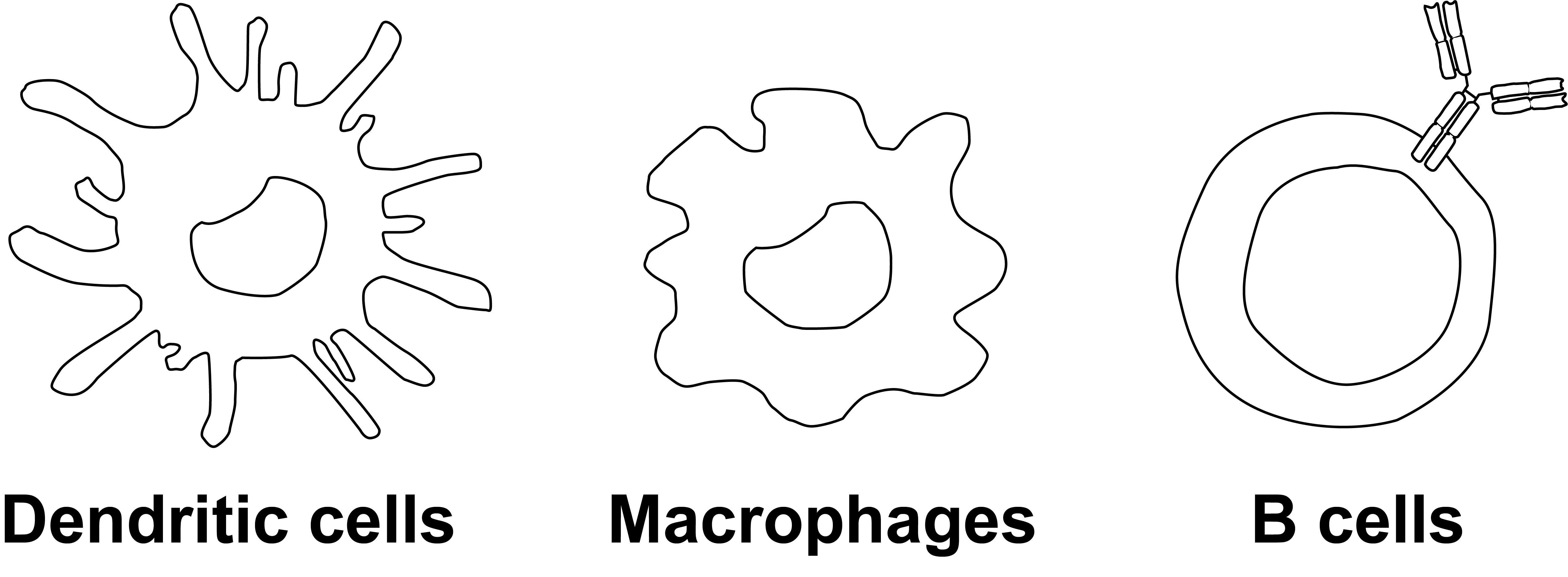
HLA class II molecules are expressed by professional antigen-presenting cells (APC)–dendritic cells, macrophages, and B cells.
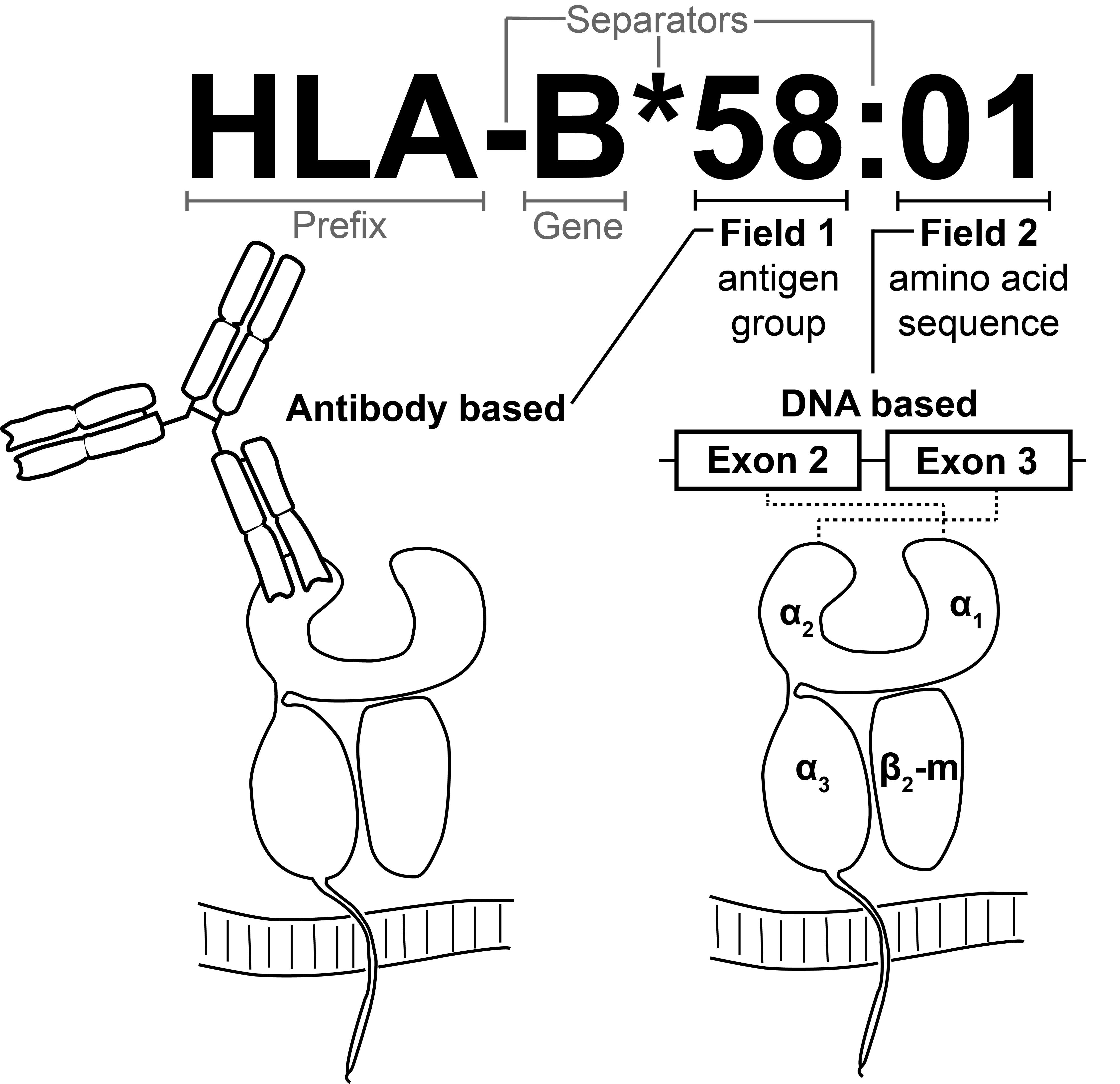
Nomenclature
Non-classical HLA
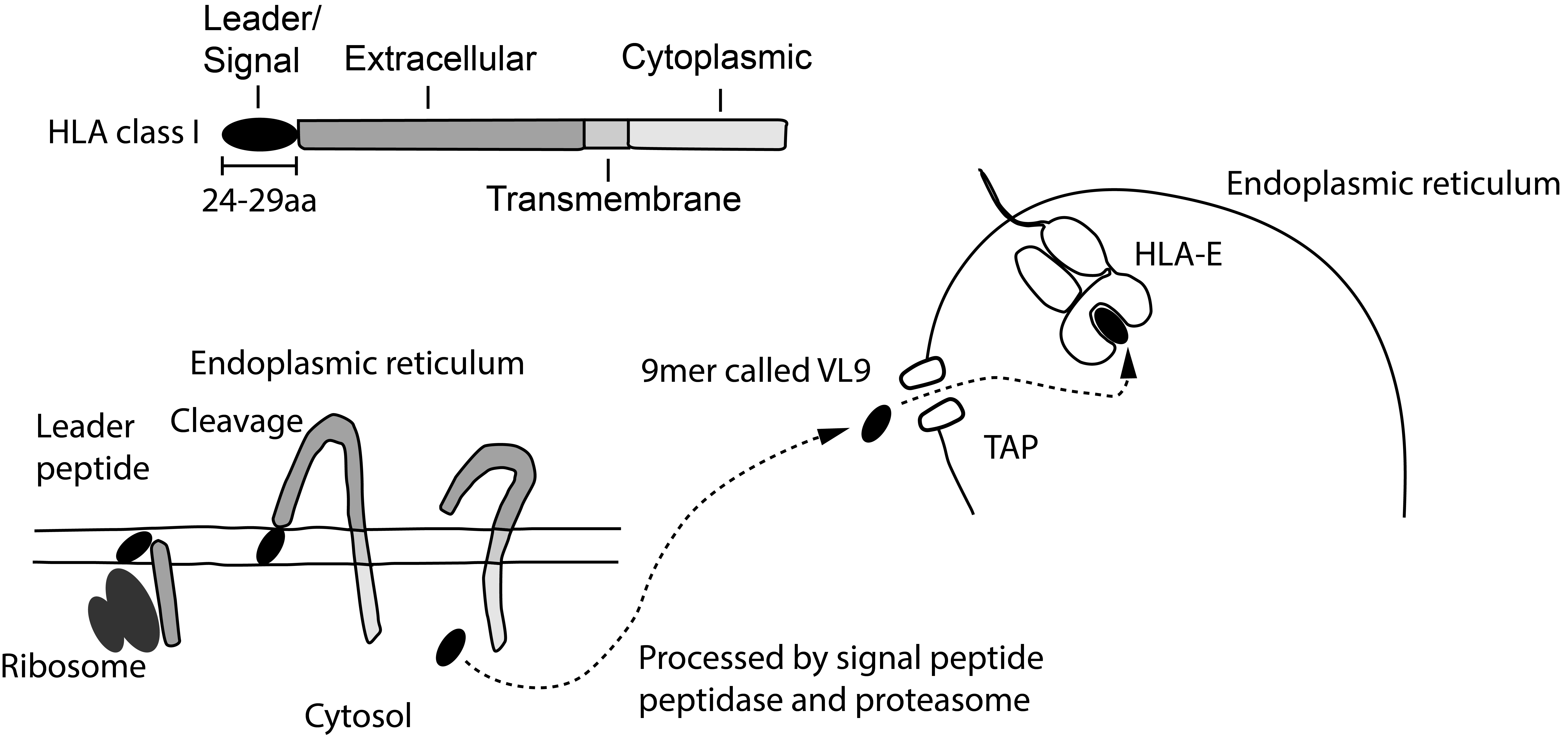
HLA-E
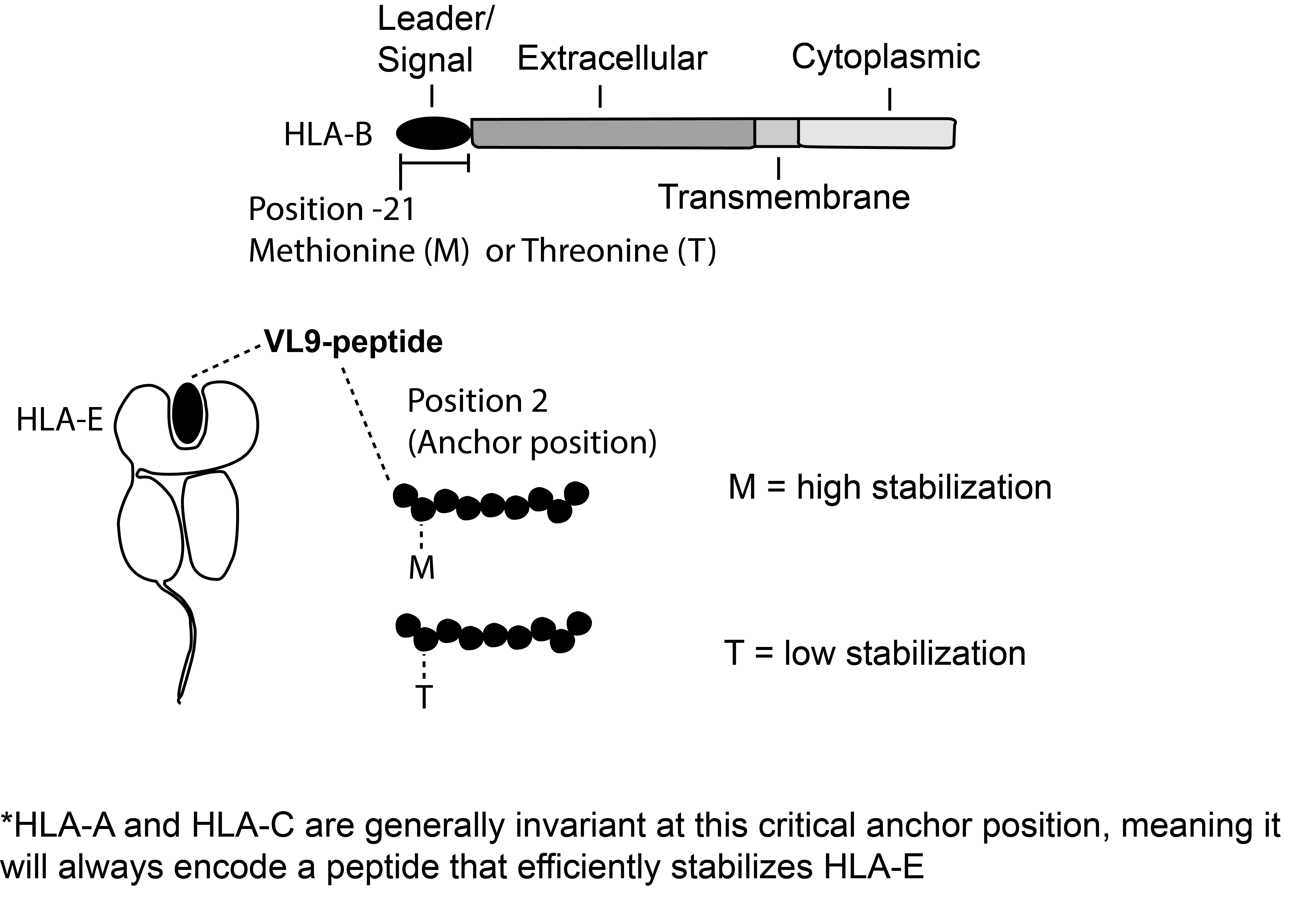
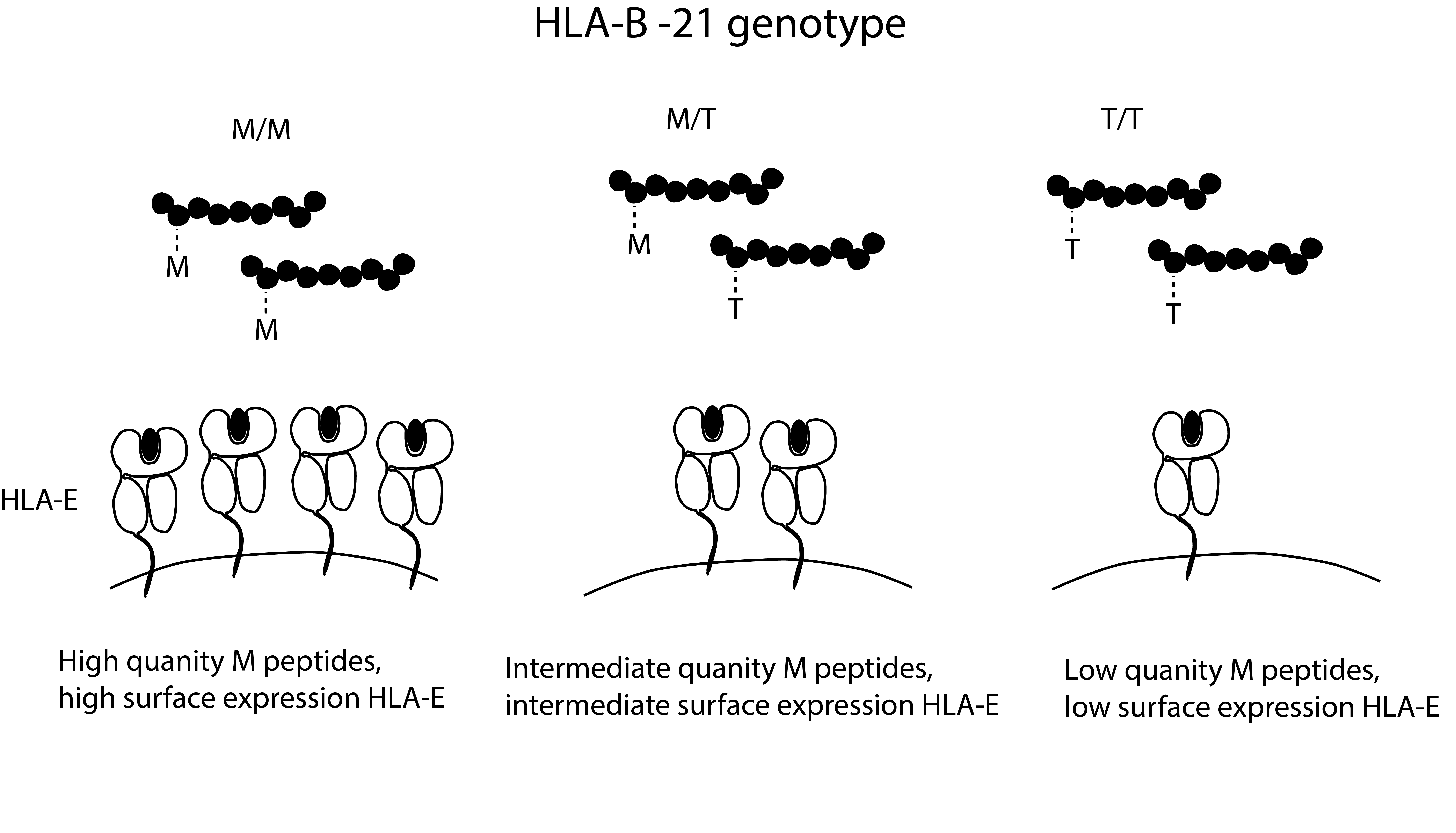
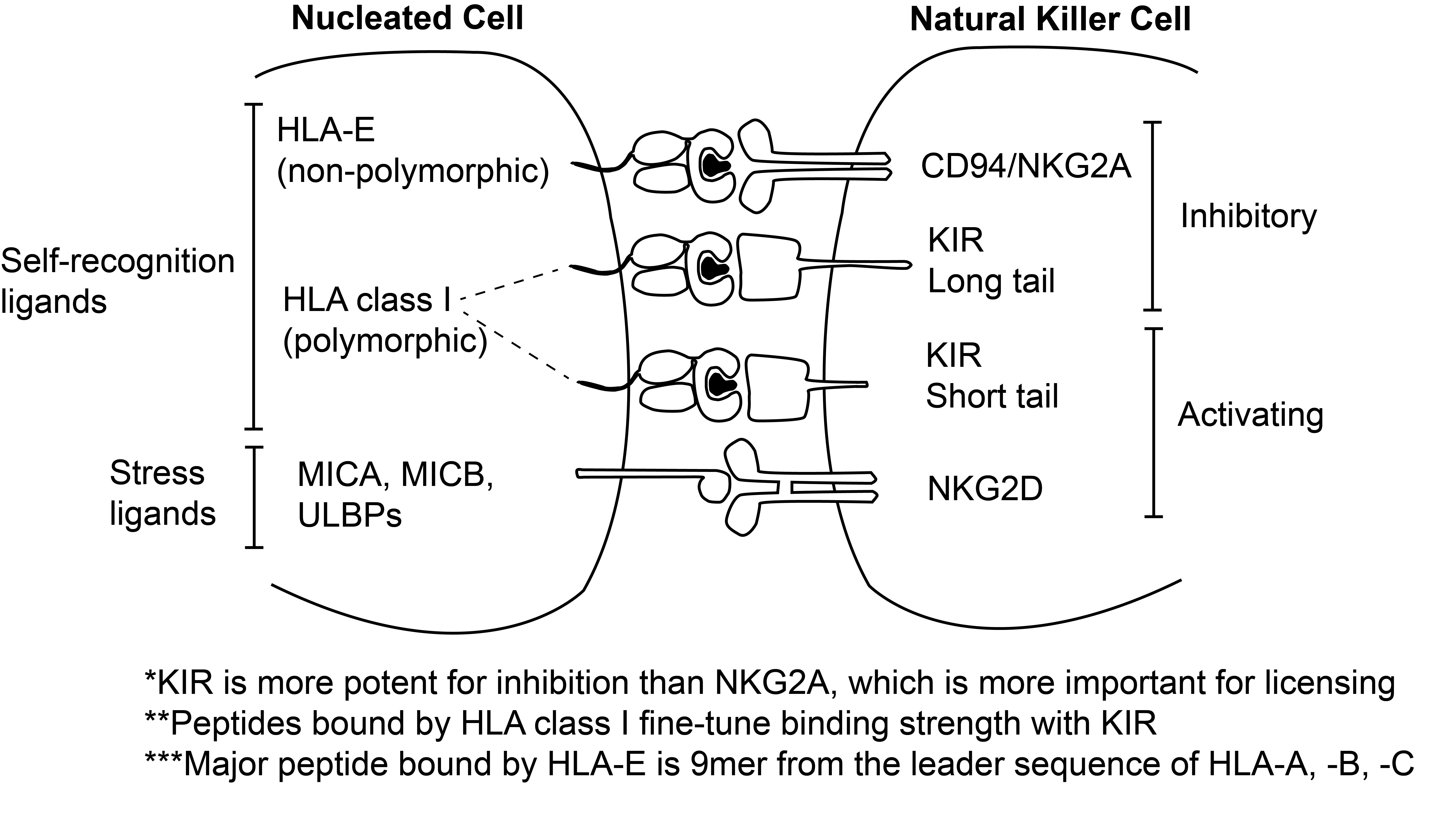
Natural Killer Cell Interactions
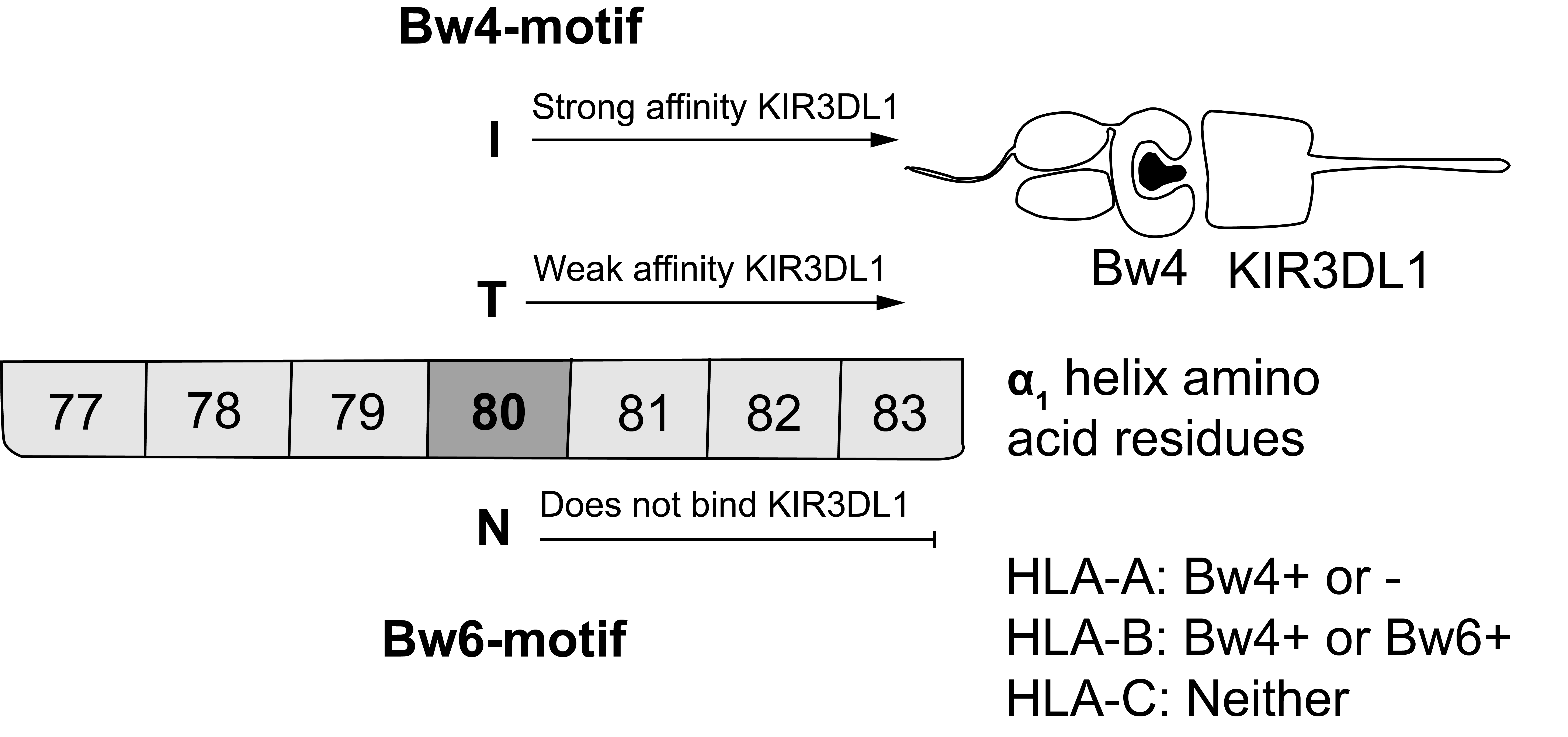
Bw4-motif and KIR3DL1
KIR3DL1 (inhibitory receptor) binds to HLA-A and -B molecules that carry the Bw4-motif, defined by amino acid residues 77-83 in the external-facing α1-helix region. Only select HLA-A molecules have the Bw4-motif. HLA-B molecules carry either the Bw4-motif or Bw6-motif (does not bind KIR3DL1). HLA-C do not carry the Bw4 or Bw6-motifs.
Importantly, there are two Bw4-allotypes defined the amino acid at position 80, either an isoleucine (Bw4-80I) or threonine (Bw4-80T). Bw4-80I is a high affinity for KIR3DL1 whereas Bw4-80T is lower affinity. The higher affinity of Bw4-80I leads to more strongly educated and reactive NK cell populations compared to the lower affinity Bw4-80T. The Bw6-motif does not bind to KIR3DL1.
Bw4-motif spans residues 77, 80-83 (on the alpha 1 helix)
The Bw4 motif is characterized by residues 77-83 (N, L, R, I/T, A, L, R) in the external-facing α1-helix. The Bw6 motif is characterized by residues 77-83 (S, L, R, N, L, R, G) in the external-facing α1-helix.